5 Smart Ways to Use Treats to Encourage Good Behaviour in Dogs
Treats are one of the most effective tools for shaping your dog’s behaviour. When used correctly, they can reinforce positive habits, strengthen your bond, and make training an enjoyable experience for both you and your dog. The key is not just what treats you give, but how and when you use them.
Here are five practical and proven ways dog owners can use treats to encourage good behaviour patterns.
1. Reward Immediately for Clear Communication
Timing is everything in dog training. When your dog performs a desired behaviour—such as sitting calmly or coming when called—reward them immediately with a treat. This helps your dog clearly associate the action with the reward.
Why it works:
Dogs live in the moment. A delay of even a few seconds can confuse them about what they’re being rewarded for.
Tip:
Keep treats easily accessible during training sessions so you can respond instantly.
2. Use Treats to Reinforce Calm Behaviour
Many owners unintentionally reward hyperactivity by giving attention when their dog is overly excited. Instead, use treats to reinforce calm, relaxed behaviour.
Examples:
- Reward your dog for lying quietly on their bed
- Give a treat when they greet guests calmly instead of jumping
- Reinforce relaxed behaviour during stressful situations (like vet visits or thunderstorms)
Why it works:
Dogs repeat behaviours that get rewarded. By rewarding calmness, you encourage your dog to choose it more often.
3. Incorporate Treats into Training Commands
Treats are a powerful motivator when teaching commands such as “sit,” “stay,” “leave it,” and “come.”
How to do it:
- Use a treat to guide your dog into position (luring)
- Reward once the command is successfully completed
- Gradually reduce reliance on treats as your dog learns the behaviour
Why it works:
This method builds a positive association with learning and helps your dog stay engaged and focused.
4. Practice Intermittent Rewarding
Once your dog consistently performs a behaviour, switch from rewarding every time to rewarding occasionally.
Why it works:
This technique, known as variable reinforcement, actually strengthens behaviour. Your dog stays motivated because they never know when the next reward is coming.
Example:
Instead of giving a treat every time your dog sits, reward every second or third successful response.
Tip:
Continue to use praise and affection alongside treats to maintain encouragement.
5. Use High-Value Treats for Challenging Situations
Not all treats are equal. In distracting or difficult environments—like parks or busy streets—use high-value treats that your dog finds especially irresistible.
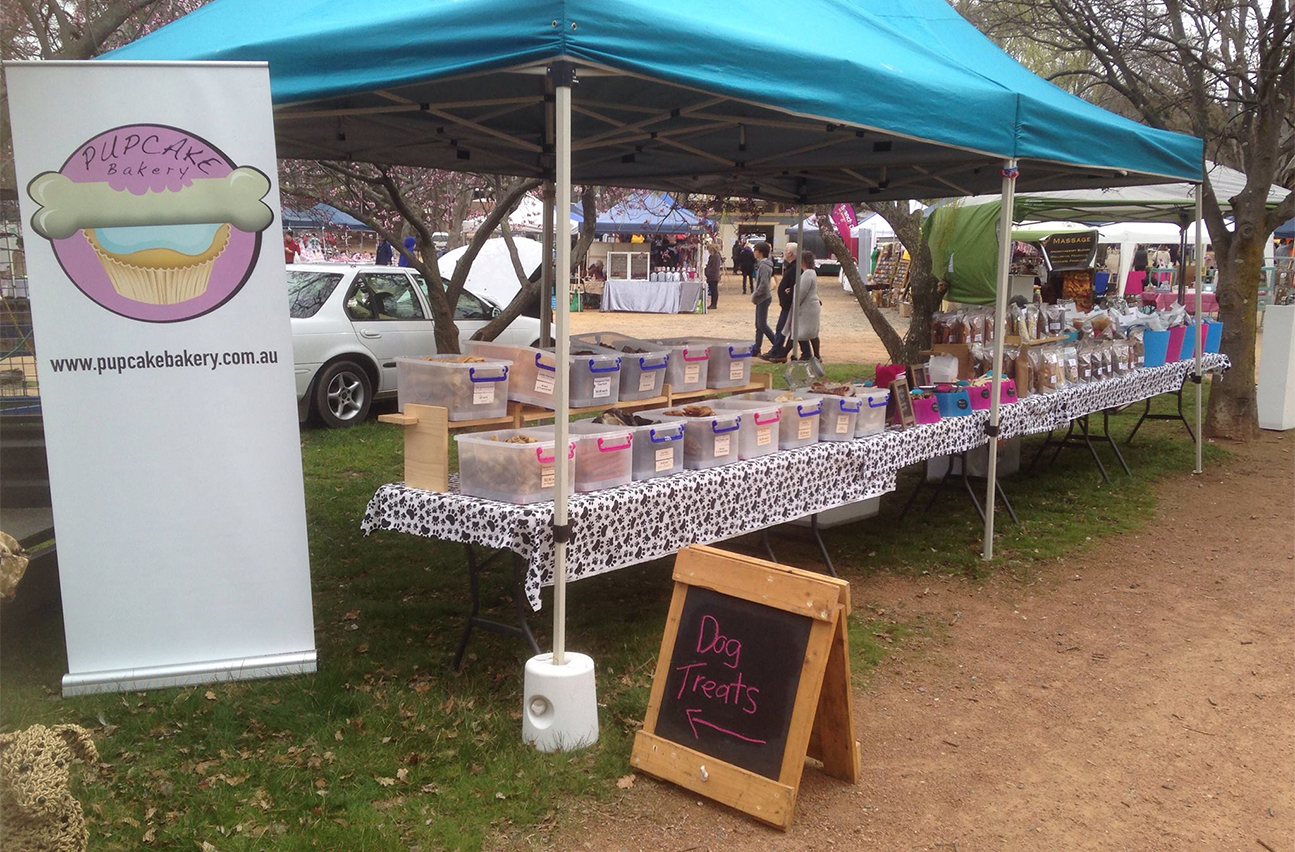
Pupcake Bakery has a selection of great high-value treats in their product range:
Why it works:
High-value treats help maintain your dog’s attention when there are competing distractions, making it easier to reinforce good behaviour in real-world situations.
Final Thoughts
Treats are more than just snacks—they’re a communication tool that helps your dog understand what you expect from them. By using treats strategically, you can shape positive behaviour patterns that last a lifetime.
Remember, consistency and timing are key. Combine treats with praise, patience, and regular practice, and you’ll set your dog up for success while strengthening your relationship along the way.